London Dance and Cheer Academy

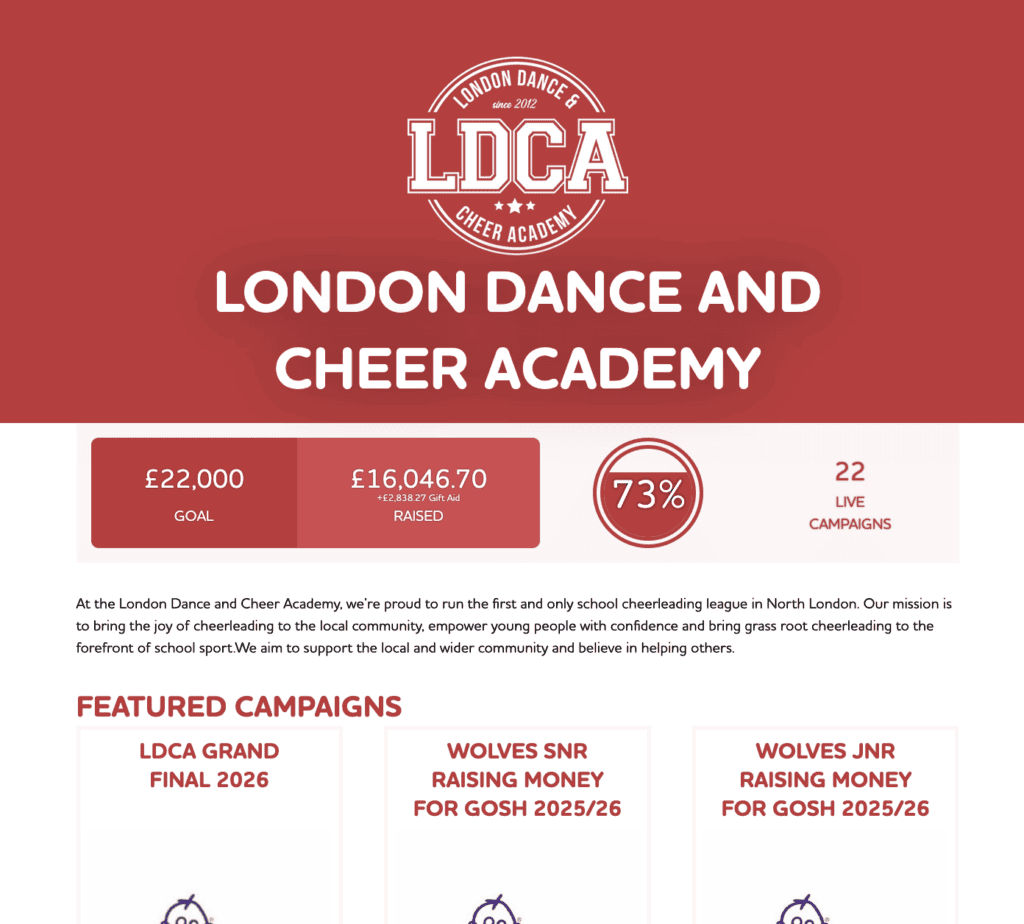
Ellie Stone, Co-Founder of London Dance and Cheer Academy, has embedded fundraising into the heart of her club’s culture. LDCA students have raised over £15,000 (including Gift Aid) for Great Ormond Street Hospital, all while building confidence and life skills that go far beyond the mat.

Why did you decide to include fundraising into your offering at LDCA?

I’ve always had a vision that cheerleading isn’t just about sport – it’s a vehicle for life skills.

When I founded LDCA, fundraising began as something quite practical – encouraging children to raise money for their own uniforms. My thinking was: parents aren’t wearing the uniform, so why should they have to pay for it? We did this for about 10 years, but feedback from parents was that they could afford uniforms and so there was an opportunity to do something bigger and more meaningful.

Are fundraising now raises money for external charities. Fundraising is part of our league structure. Teams earn points through three competitions across the year, and fundraising is the fourth element. A Team could win every competition, but if they haven’t raised money for charity, they wouldn’t win the league. That’s how important it is to us.

How are students involved in the fundraising?

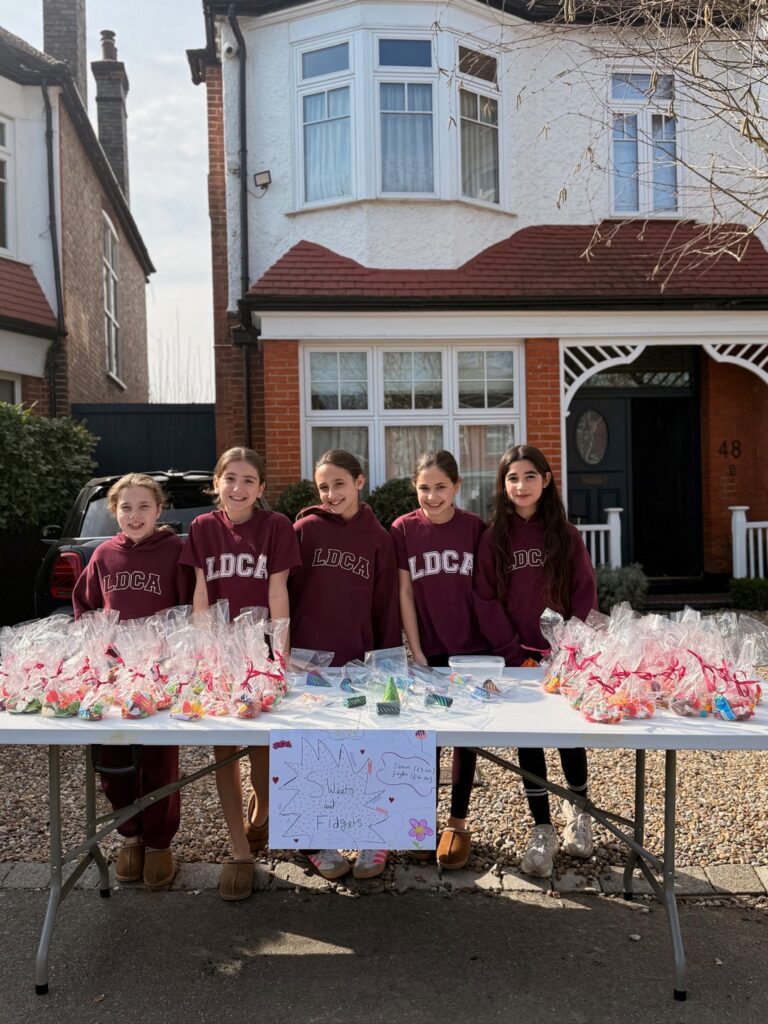
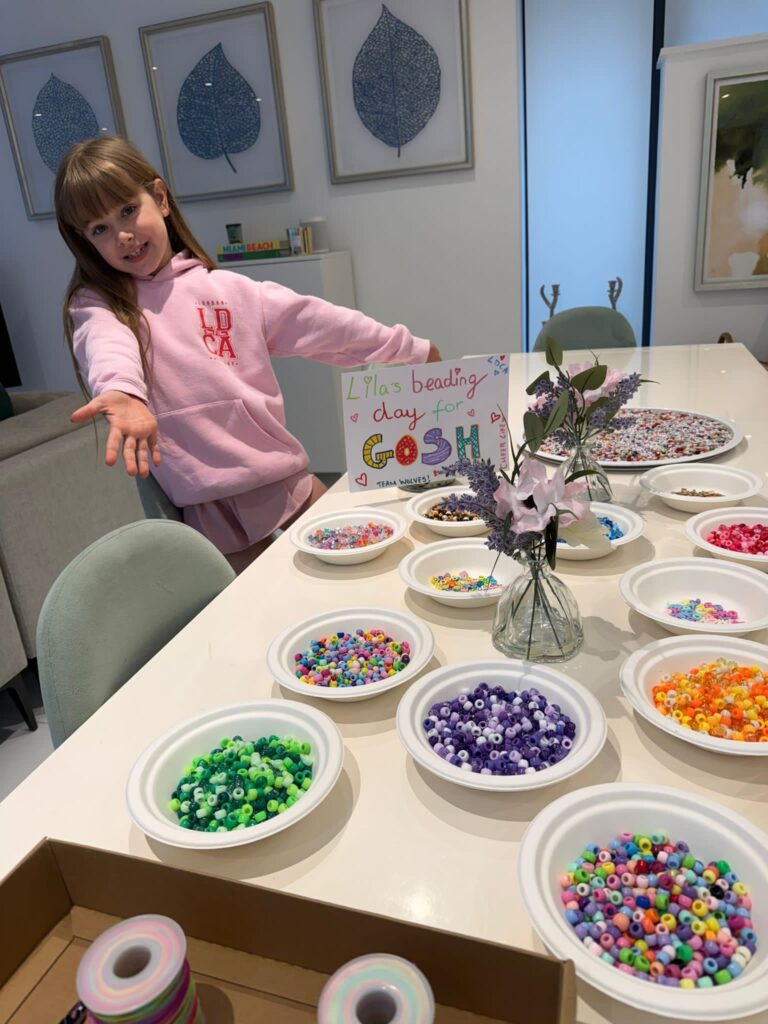
The students lead everything. We want them to realise they can come up with an idea, plan it, and make it happen. That ownership is key. It’s not about adults organising it for them – it’s about giving them the space to try.

Some of the best examples have come from the children themselves:

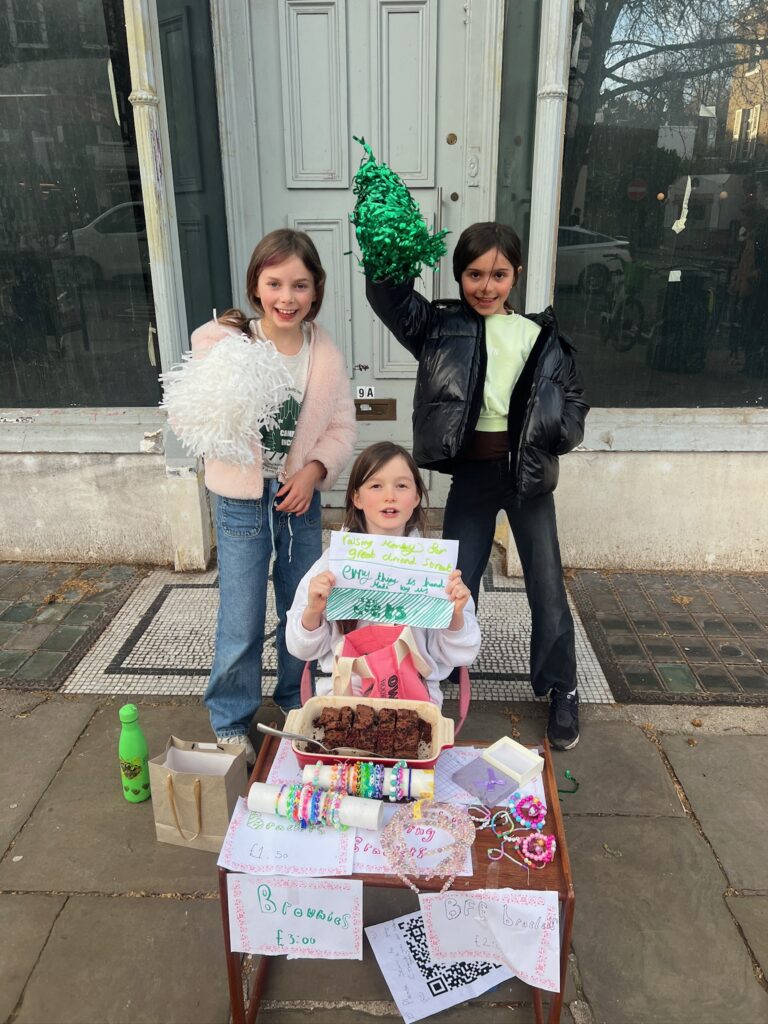
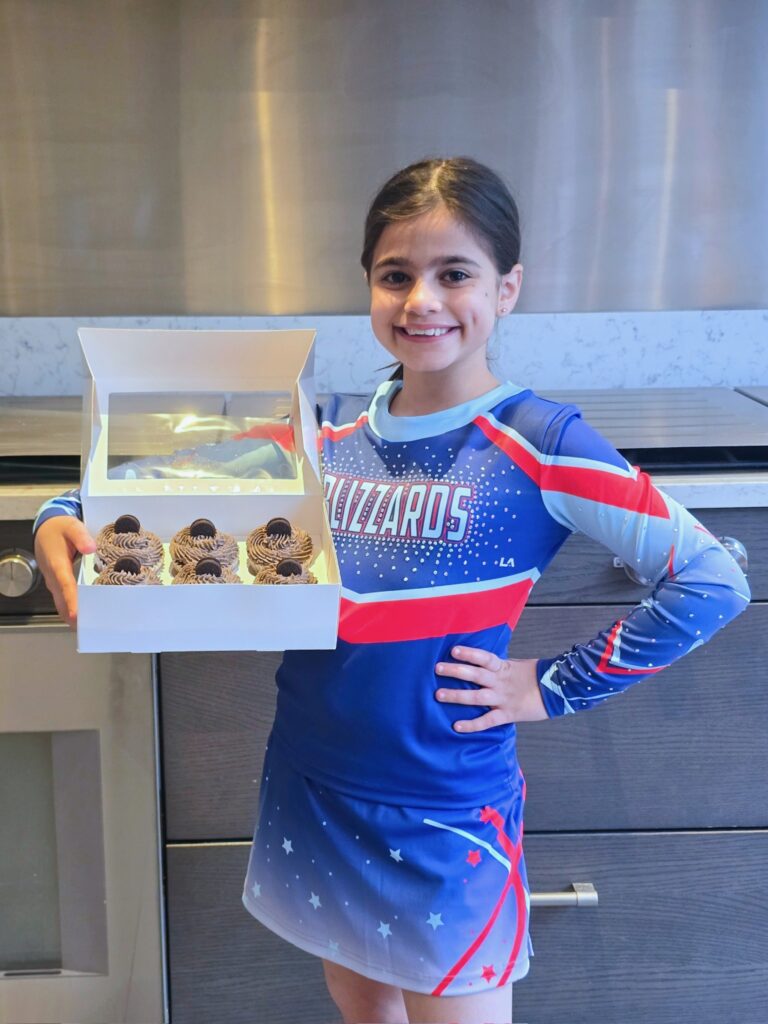
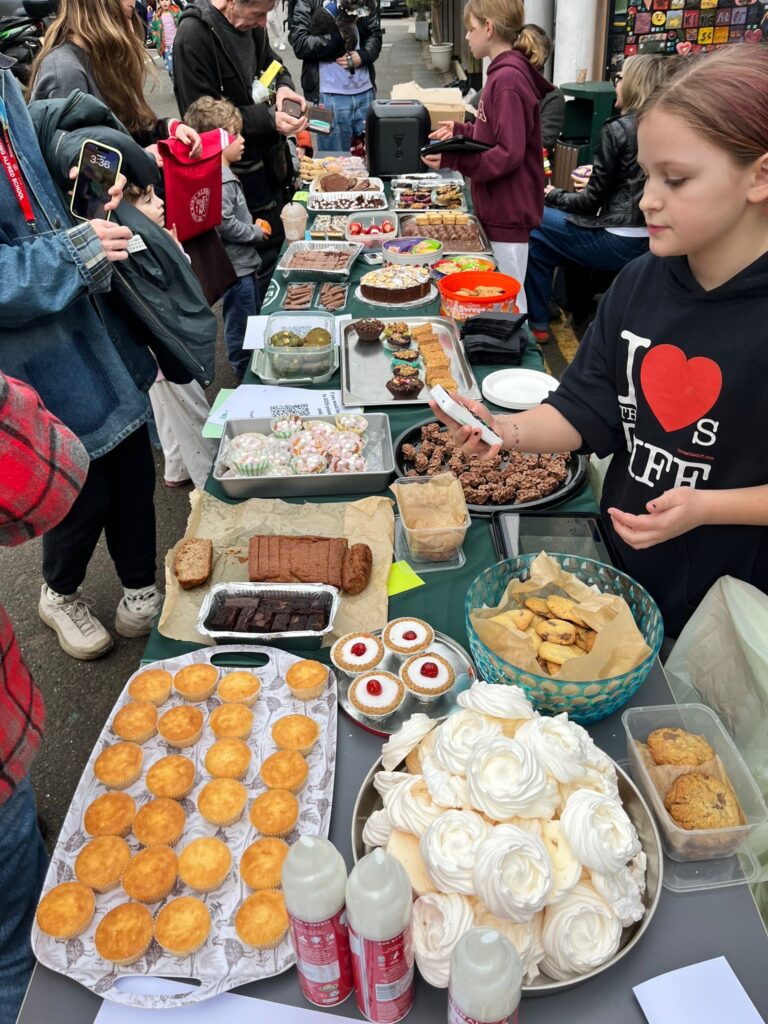
  • Organising bake sales (one Year 6 group raised nearly £700!)
  • Running car washes
  • Creating websites to sell services like babysitting
  • Renaming and reselling their soft toys
  • Sponsored challenges like cheer-a-thons or trampoline sessions from morning until night

They learn how to promote their ideas, design posters, speak in front of others, and work as a team. It builds confidence in a way you just can’t replicate in a classroom.

Fundraising isn’t a one-off – we give them a full term and check in every week. It becomes part of their journey.

What impact has fundraising had on your community?

It’s had a huge impact – both in terms of money raised (over £15,000 including Gift Aid) and in how connected our community feels.

We’ve supported several charities over the years, but things really clicked when we started fundraising for Great Ormond Street Hospital. So many of our families had a personal connection, and that made it real for the children. They could truly understand why their efforts mattered.

And alongside that, we’ve seen the growth in the children:

  • Confidence speaking in front of a group
  • Leadership through organising events
  • Creativity in coming up with ideas
  • A sense of responsibility and pride

Why did you choose SuperKind and what advice would you give to other clubs?

SuperKind is really user-friendly and, most importantly, it gives the kids ownership.

They can build their own campaign pages, upload photos, write their story, and share it with family and friends. That process – learning how to present something they care about – is absolutely crucial.

It fits perfectly with how we work as a club.

My advice to other sports clubs or extracurricular groups would be simple: just start.

Build a SuperKind page, send it to parents, tell the kids at training – and go for it. You don’t need to overcomplicate it.

The key is giving it enough time. We run fundraising over a full term and keep checking in each week.

Once you start, the children will take it further than you expect.
My advice to other sports clubs or extracurricular groups would be simple: just start. Build a SuperKind page, send it to parents, tell the kids at training – and go for it."